

XI International Conference on Science, Technology and Innovation for Society (CITIS 2025)
The 11th International Conference on Science, Technology, and Innovation for Society (CITIS 2025), held in person from June 4 to 6, 2025, and organized by the Salesian Polytechnic University, brought together the national and international academic community in a dynamic space for dialogue, collaboration, and discovery.
This edition stood out for offering an integrated platform for sharing advances, discussing current challenges, and proposing innovative solutions to the challenges facing contemporary society.
In its eleventh edition, organized by the Salesian Polytechnic University, CITIS 2025 reaffirmed its commitment to promoting scientific knowledge and driving innovative solutions to global challenges. This year’s themes were structured around four fundamental pillars for the progress of our society: Sustainability and the Environment, Artificial Intelligence and Digital Networks, Technologies for Health and Well-being, and Renewable Energy and Industry.
The technical sessions were developed within these four areas, each under the direction of specialists with outstanding careers: Jaime Naranjo, MSc.; Joe Llerena, Ph.D.; Diego Carrión, Ph.D.; and Yaroslava Robles, MSc. Their leadership enabled debates and presentations grounded in a comprehensive vision aligned with the conference’s strategic pillars.
The Scientific Committee, composed of researchers from various countries, conducted an exhaustive double-masked review of the 301 papers submitted to this edition. Their work ensured the academic excellence and scientific relevance that distinguish CITIS.
The 50 articles selected for presentation and discussion at the conference will be published in Springer Nature’s Lecture Notes in Networks and Systems series. We extend our sincere gratitude to all who made CITIS 2025 possible—authors, committees, workshop leaders, and attendees. Your collaboration and enthusiasm were essential to the success of this edition.
CITIS 2025 showcased a vibrant and forward-looking program, featuring specialized workshops and inspiring keynote sessions on cutting-edge topics aligned with the conference’s core themes. The event also hosted an innovation-driven business fair designed to foster entrepreneurship, connect ideas, and spark new opportunities among participants.
CITIS 2025 brought together an inspiring lineup of four international speakers and seven hands-on workshops, attracting more than 1,000 attendees over three vibrant days. These figures highlight the growing prestige of CITIS as a leading platform for global dialogue, featuring presentations from world-renowned scientists and innovators.
The conference also offered parallel working sessions designed to boost participants’ business and innovation skills, fostering collaboration, creativity, and real-world impact.
EXECUTIVE COMITTEE
TOPICS AND TRACK CHAIRS
Artificial Intelligence and Digital Networks
Renewable Energies and Industry
Sustainability and Environment
Technologies for Health and Wellness
WORKSHOPS
Workshop # 1: In silico design of multi-epitope vaccines
Workshop Instructor:
Lenin Javier Ramirez Cando, Ph.D.
This workshop offered an in-depth introduction to computational strategies for vaccine development. Participants explored key tools and methods for epitope prediction, multi-epitope vaccine design, and efficacy assessment. It was ideal for researchers, students, and professionals in computational biology and vaccine research.
Workshop #2: Sizing of Off-Grid and Grid Connected Photovoltaic Systems
Workshop Instructor:
Juan Carlos Lata, Ph.D.
This workshop provided essential knowledge and skills for designing and analyzing photovoltaic systems in off-grid and grid-connected configurations. Through theoretical and practical sessions, participants learned to calculate system capacity, select components, and assess technical and economic feasibility.
Workshop #3: Decoding Images: Exploring classification techniques for bioimages and beyond
Workshop Instructor:
Hernan Andres Morales, Ph.D.
This workshop introduced supervised and unsupervised image classification using machine learning, focusing on deep learning. While centered on bioimages, it highlighted the versatility of these methods across multiple fields through theory and hands-on practice.
Workshop #4: Nanobodies as small wonders driving therapeutic environmental and research advances
Workshop Instructor:
Serge Muyldermans, Ph.D. and Rosa Vega, M.Sc.
This workshop offered a theoretical overview of nanobodies, focusing on their structure, production, and wide-ranging applications in research, diagnostics, and therapy. Participants explored experimental protocols and learned about current and emerging uses of these versatile biomolecules.
Workshop #5: Multidisciplinary Evaluation of Energy Consumption in Alternative Propulsion Systems with Energy Accumulators
Workshop Instructor:
Jairo Darío Castillo, Ph.D.(c)
This workshop explored the evaluation of energy consumption in alternative propulsion systems, focusing on the role of energy accumulators. Participants gained insights into mechanical, electrical, and environmental aspects through a multidisciplinary approach that bridged engineering and sustainability.
Workshop #6: Leveraging AI-Powered Chatbots for Educational Innovation
Workshop Instructor:
Julio Proaño Orellana, Ph.D. and Gustavo Navas Ruilova, Ph.D.
This workshop introduced designing and implementing AI-driven chatbots to enhance learning experiences and support educational processes. Participants explored how conversational AI could improve engagement, personalize learning, and streamline academic services across diverse educational contexts.
Workshop #7: Genomic sequencing and applied bioinformatics: from the laboratory to practical analysis
Workshop Instructor:
Naomi Mora, M.Sc.
This workshop offered a hands-on introduction to genomic sequencing and bioinformatics, combining theoretical foundations with practical analysis. Participants explored tools and workflows to analyze genomic data and understand their applications in public health and social innovation.
KEYNOTE SPEECHES
Ph.D. Serge Muyldermarns
Vrije Universiteit Brussel | Department of Applied Biological Sciences
Ph.D. Julio Normey-Rico
Federal University of Santa Catarina | Department of Automation and Systems
Ph.D. Rodrigo Franco Cruz
University of Nebraska–Lincoln | School of Veterinary Medicine and Biomedical Sciences
Ph.D. Rodrigo Franco Cruz
University of Nebraska–Lincoln | School of Veterinary Medicine and Biomedical Sciences
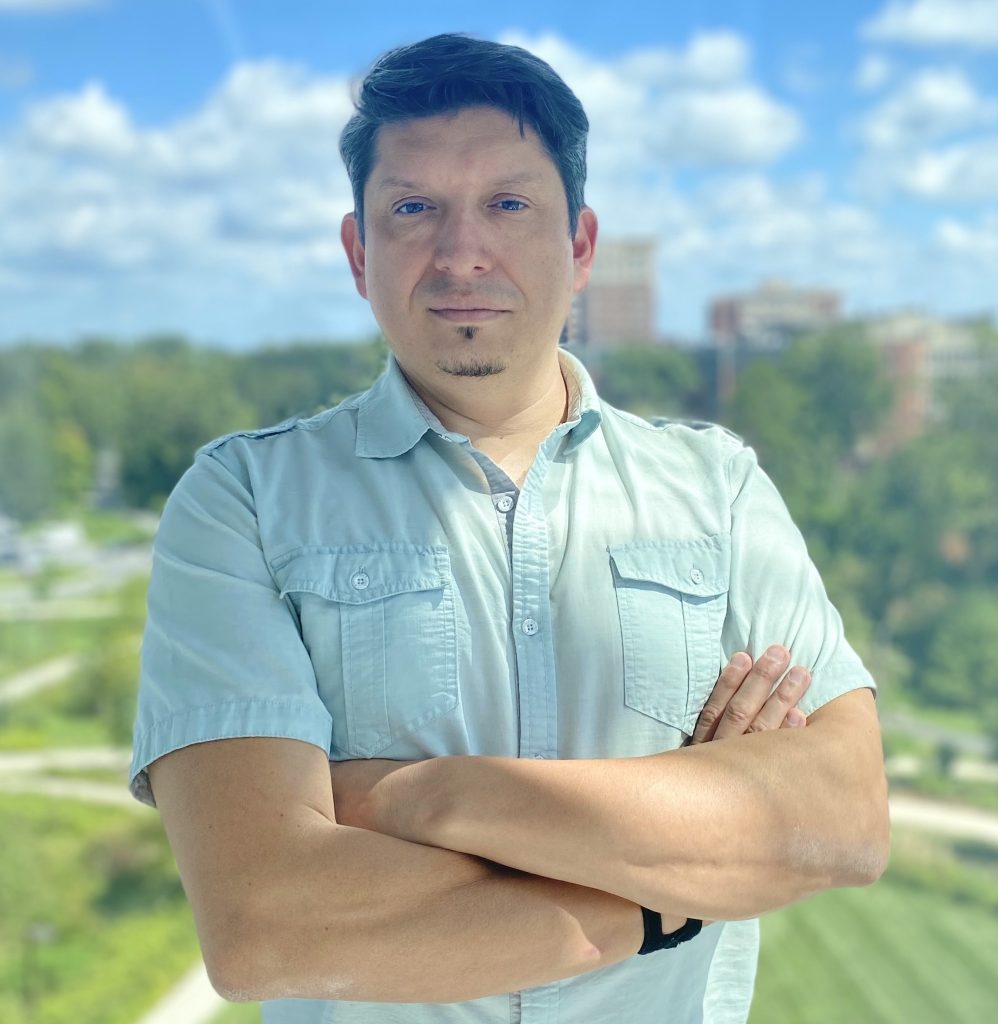
Ph.D. Pablo Paredes
University of Maryland | Institute for Advanced Computer Studies
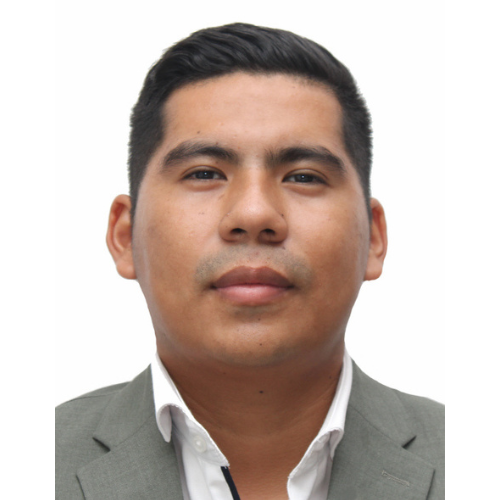
Logistics Committee
Jairo Joel Jaime Carvajal, Ph.D (c).
Politecnica Salesiana University, Ecuador

Kevin Cedeño Vinces, Ph.D (c).
Politecnica Salesiana University, Ecuador
Felix Ivan Leon, M. Sc.
Politecnica Salesiana University, Ecuador
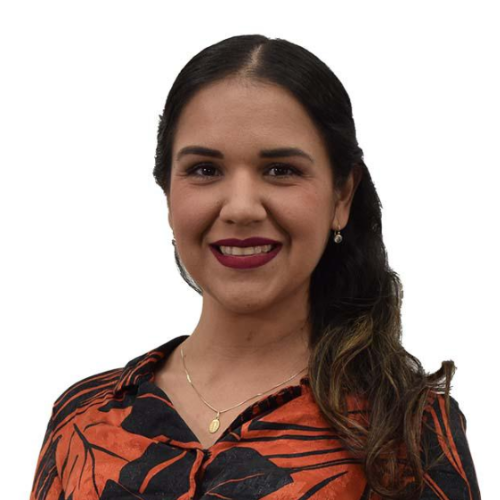
Gabriela Dau Jarama, M. Sc.
Politecnica Salesiana University, Ecuador
David Emilio Coloma, M. Sc.
Politecnica Salesiana University, Ecuador
Galo Salmon Yerovi, M. Sc.
Politecnica Salesiana University, Ecuador
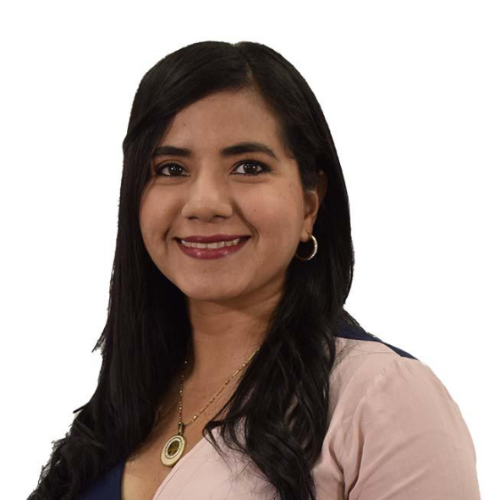
Victoria Izquieta, MBA.
Politecnica Salesiana University, Ecuador