X International Conference on Science, Technology and Innovation for Society (CITIS 2024)
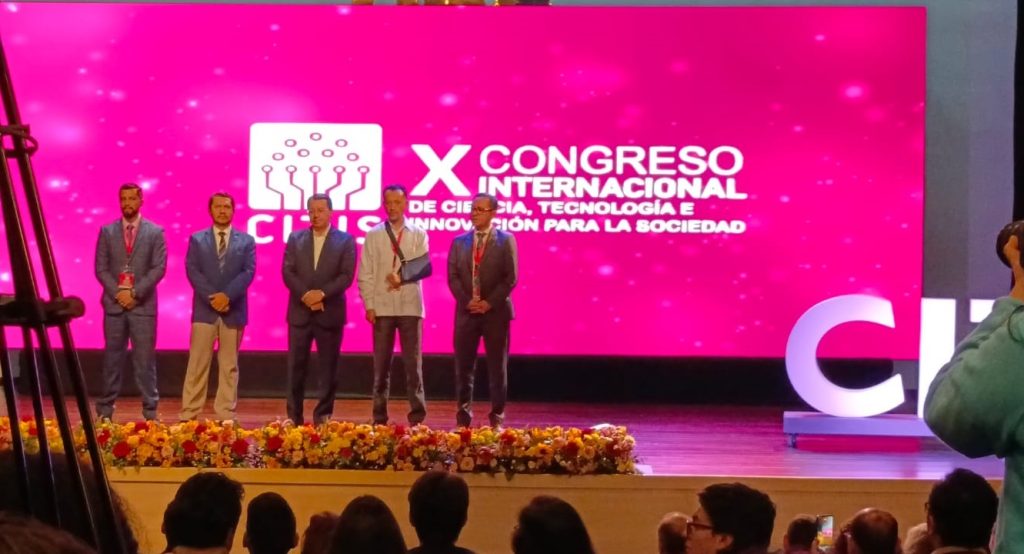
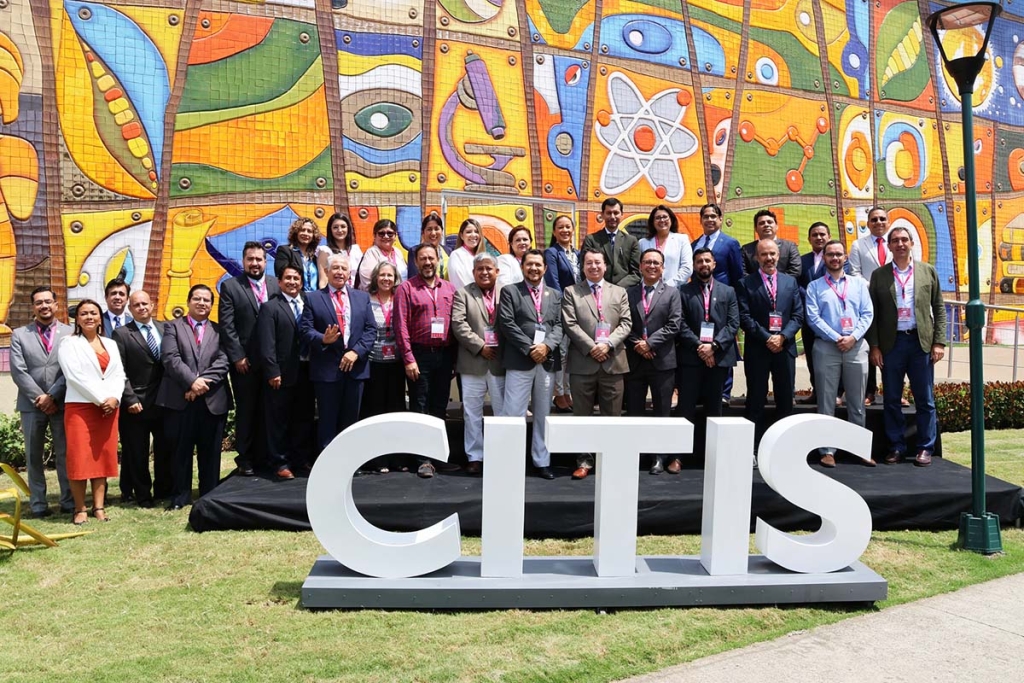
The X International Conference on Science, Technology, and Innovation for Society, CITIS 2024, held from July 17 to 19, 2024, in a presencial edition organized by Universidad Politécnica Salesiana, offered the national and international academic community a unified communication platform aimed at addressing the theoretical and practical problems with the greatest impact on modern society through an engineering perspective.
In this tenth edition, dedicated to the 30th anniversary of Universidad Politécnica Salesiana, the thematic axes were related to the application of science, technological development, and innovation in four fundamental pillars of our society: Industry, Mobility, Environmental Sustainability, and Information and Telecommunications. To this edition of CITIS 2024, the technical tracks were organized into four key areas: Mobility, coordinated by Jaime Naranjo, MSc.; Industry, coordinated by Jorge Cueva, Ph.D.; Environmental Sustainability, coordinated by Juan Carlos Lata, Ph.D.; and Information and Telecommunications, coordinated by Miguel Quiroz-Martínez, MSc. These tracks structured the discussions and presentations, ensuring a comprehensive approach to the conference’s thematic pillars.
The scientific committee included 102 researchers from 10 countries (Spain, Mexico, Belgium, Colombia, Brazil, United Kingdom, Italy, Venezuela, Peru, and Ecuador), who were responsible for evaluating, in a ‘double-blind review’ process, the 188 papers received for the conference.
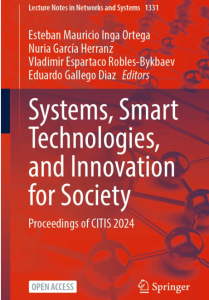
The 45 papers accepted for presentation and discussion at the Conference were published in the Springer Nature book series Lecture Notes in Networks and Systems. We acknowledge all of those who contributed to the staging of CITIS 2024 (authors, committees, workshop instructors, and our attendees). We deeply appreciate their involvement and support, which were crucial for the success of the event. The accepted contributions reflect recent research trends in the fields of software engineering, big data analysis, cloud computing, data engineering, data management and data mining, machine learning, deep learning, artificial intelligence, smart systems, robotics and automation, mechatronic design, and industrial processes design. CITIS 2024 also held several workshops and keynote speeches on cutting-edge topics related to the thematic axes of the conference. In addition, parallel working sessions were carried out to strengthen entrepreneurship and innovation skills for engineering students.
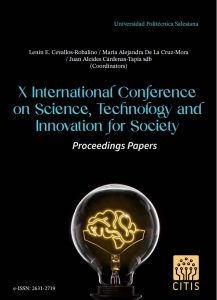
In addition, a special proceedings volume was prepared in collaboration with Abya Yala, where selected poster manuscripts were published. This complementary publication highlights the quality of several contributions that, although not included in the Springer volume, demonstrated significant scientific value and relevance to the conference themes.
The Chairperson of CITIS 2024 was Dr. Lenin E. Cevallos-Robalino, whose leadership and commitment were instrumental in the event’s success. This achievement was also the result of strong teamwork, which played a crucial role in bringing this tenth edition to life.
The organizing committee expresses its sincere gratitude to all participants, institutions, and collaborators for their warm reception and active engagement. Special thanks are extended to the keynote speakers, workshop instructors, the scientific and publications committees, session moderators, staff, and protocol team, whose dedication and effort made CITIS 2024 possible.
WORKSHOPS
Workshop 1: Creating data plots in Latex using the pgfplots package
Content: This workshop will introduce participants to the creation of high-quality scientific and technical plots directly in LaTeX using the pgfplots package. The session will begin with an overview of the main features and advantages of pgfplots compared to external plotting tools, highlighting its seamless integration with LaTeX documents for professional publications.
The workshop will cover the essential elements of the package, including defining coordinate systems, customizing axes, formatting labels, and applying styles to produce both 2D and 3D plots. Advanced functionalities such as multiple plots in the same figure, parametric curves, surface plots, and data import from external files (e.g., .csv) will also be reviewed.
A special focus will be given to customizing the visual appearance of plots, including color maps, legends, annotations, and plot scaling, ensuring that participants can adapt their figures to the standards of international scientific journals and presentations.
Finally, the workshop may include a practical component where participants will create and compile sample plots using pgfplots, illustrating the workflow from basic commands to advanced visualizations.
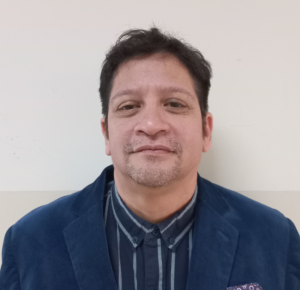
Franklin I. Kuonquí Gaínza is a distinguished engineer and educator whose academic journey has been defined by innovation and excellence. Graduating from ESPOL with a degree in Electronics and Telecommunication in 2012, then he went on to earn a Master’s degree in Industrial Automation and Control in 2016, at the same university.
Franklin’s research prowess is exemplified by his engineering degree thesis, which explored the comparative analysis of automatic control systems for interconnected vessel plants. This foundational work delved into system modeling, identification, and control methodologies, laying the groundwork for his subsequent contributions to the field.
His Master’s thesis, focusing on the design of a model reference adaptive controller, further solidified his reputation as a pioneering researcher. Utilizing LaTeX for his report, Franklin not only presented groundbreaking findings but also developed a TEX class for the master’s program, ensuring the dissemination of knowledge for future scholars.
Transitioning seamlessly into academia, Franklin served as a full-time lecturer and assistant for the automatic control lab at ESPOL from 2014 to 2016 before assuming a full-time professorship until 2020. Also, since 2018 joined UPS as an assistant professor and researcher.
Franklin’s mentorship has been instrumental in shaping the academic landscape. Tutoring more than 20 bachelor’s and 5 master’s final projects, predominantly centered on automatic control systems.
Workshop 2: Principles of information security and risk management to mitigate threats that commonly affect businesses
Content: This workshop will introduce the fundamental principles of information security and risk management, with a focus on strategies to mitigate the most common threats that affect modern businesses. Participants will review key concepts such as confidentiality, integrity, and availability, alongside risk identification, assessment, and control measures. The session will also cover practical frameworks and tools for implementing effective information security policies within organizations. Real-world case studies will be discussed to illustrate how cyber threats can be addressed proactively, helping participants to strengthen resilience and ensure business continuity.
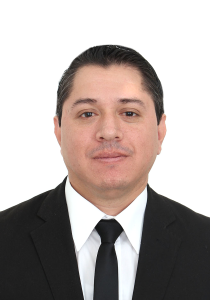
Darío Huilcapi Subía is a 42-year-old professional with an outstanding career in the fields of education and technology. For over 14 years, he has worked as a teacher at the Salesian Polytechnic University, where he has made a significant impact in the training of future engineers in computer systems.
With a solid academic background, Darío is a computer systems engineer with postgraduate studies at the Monterrey Institute of Technology, where he obtained a master’s degree in Engineering. In addition, he complemented his education with a master’s in higher education, highlighting his commitment to excellence in teaching and learning.
His dedication and passion for technology have led him to collaborate in various higher education institutions, in private enterprise, and in numerous technology projects throughout his career. As a Cisco Academy Instructor, he was awarded the “Instructor Excellence Advanced Level Award” in 2023, recognizing his outstanding work in the training of professionals in the area of networking and communications.
With extensive professional experience in data center management and specialization in security analytics, he also has multiple courses in cybersecurity and ISO standards. His high sense of responsibility and commitment to technological development make him a reference in his field.
Darío Huilcapi Subía is a committed, passionate, and highly qualified professional whose dedication has left a lasting mark on the educational and technological fields.
Workshop 3: Estimation of pollutant emissions in real driving conditions using OBD, GPS data, and Machine Learning
Content: This workshop will discuss methodologies for estimating pollutant emissions under real driving conditions by combining On-Board Diagnostics (OBD) data, GPS information, and machine learning techniques. The session will begin with an overview of vehicle emission measurement challenges in urban environments, followed by the role of OBD sensors and GPS data in capturing driving dynamics. Machine learning models for pattern recognition and predictive analysis will be reviewed, highlighting their ability to improve accuracy in emission estimation. The workshop may include a practical component demonstrating how datasets can be processed and modeled to quantify pollutants under realistic traffic scenarios.
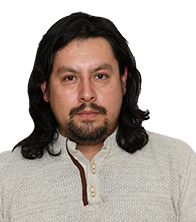
Néstor Diego Rivera-Campoverde, Ph.D. candidate in Mechanical Engineering at the Polytechnic University of Madrid, obtained a master’s degree in automotive systems from the National Polytechnic School. He is currently an Industrial Technician in automotive mechanics and an Automotive Mechanical Engineer at Salesian Polytechnic University. He serves as the Coordinator of the Research Line on Energy Efficiency and Environmental Pollution in the Transportation Engineering Research Group, Salesian Polytechnic University. He is also a member of the Machine Engineering Division at the Higher Technical School of Industrial Engineers. His work focuses on the application of machine learning for estimating pollutant emissions from mobile sources and their impact on air quality, as well as assessing the influence of various factors on the performance and emissions of pollutants from different modes of transportation. Currently, he is a Mentor of the Student Chapter of the IEEE Vehicular Technology Society.
Workshop 4: Dry cell electrolyzer design for HHO gas production: An alternative for Sustainable Mobility
Content: This workshop will present the design and operation principles of dry cell electrolyzers for hydrogen-oxygen (HHO) gas production, emphasizing their potential as an alternative energy source for sustainable mobility. The session will cover the fundamentals of electrolysis, material selection, and design considerations for dry cell efficiency. Participants will explore the role of HHO gas in improving fuel efficiency and reducing emissions in internal combustion engines. Current research trends, safety considerations, and case studies will also be reviewed. The workshop may include illustrative examples of design parameters and experimental results from HHO applications in mobility systems.
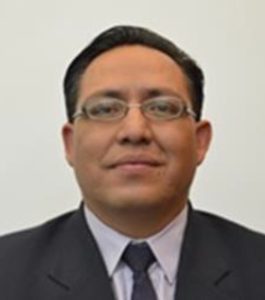
Dr. Marcelo Xavier Estrella Guayasamin is an automotive engineer with an outstanding academic and professional career. He holds a PhD in Engineering Sciences, obtained at the Instituto Tecnológico y de Estudios Superiores de Monterrey in 2020, as well as a Master’s Degree in Automotive Engineering Sciences at the same institution in 2014. In addition, he holds a Higher Diploma in Automotive Autotronics. Throughout his career, he has held teaching roles in several institutions, giving lectures related to automotive electricity, injection systems, and internal combustion engines, among others. In addition, he has accumulated experience for more than 20 years in the automotive sector as owner-manager of the automotive maintenance center Mega Service, demonstrating skills in troubleshooting, engine repair, and customer service. His commitment to education and research in the field of automotive engineering has led him to participate in congresses and refresher courses, demonstrating a constant search for knowledge and professional improvement.
Currently, he is a full-time research professor in the Automotive Engineering career at the Salesian Polytechnic University in Guayaquil, which drives innovation and excellence in automotive engineering, addressing the most relevant challenges of the industry and contributing to the development of advanced technological solutions that promote more efficient and sustainable mobility.
Workshop 5: Fermentation process and industrial waste upcycling by industrial microorganisms
Content: This workshop will explore the use of industrial microorganisms in fermentation processes and their role in upcycling industrial waste streams into value-added products. The session will begin with an introduction to the fundamentals of microbial fermentation, including metabolic pathways and process optimization. Emphasis will be placed on sustainable practices that transform agro-industrial residues and by-products into biofuels, bioplastics, and other bioproducts. Participants will also review advances in bioprocess engineering, bioreactor design, and microbial strain development. Case studies will highlight successful applications of waste valorization through microbial technologies.
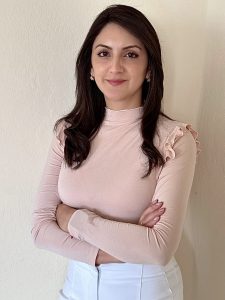
Prof. Alejandra De la Cruz is a Natural Resources Biotechnology Engineer (2019) from the Universidad Politécnica Salesiana and a Master’s degree in Industrial Engineering with a mention in Quality and Productivity (2022) from the Universidad San Francisco de Quito. She currently serves as Laboratory Coordinator and Professor in the Biotechnology Program at the Universidad Politécnica Salesiana in Guayaquil. Her experience and knowledge have positioned her as an active member of the Research Group in Biotechnology Applications (GIAB), where she contributes her expertise as Director for the project: “Physicochemical and microbiological characterization of artisanal beers produced in Ecuador”. Throughout her professional career, she has actively participated in research and development projects in the field of applied sciences to biological resources for both private companies and the public sector, with a focus on optimizing biotechnological processes to obtain high-value-added services and products.
Workshop 6: Exploring Industrial and Commercial Microgrids: Regulation and Opportunities for the Energy Future
Content: This workshop will provide an overview of industrial and commercial microgrids, examining their technological foundations, regulatory frameworks, and opportunities for advancing the energy transition. The session will discuss microgrid components, control strategies, and integration of renewable energy sources and storage systems. Attention will be given to regulatory challenges and market mechanisms that enable microgrid deployment in different regions. The workshop will also explore business models, resilience benefits, and the role of microgrids in supporting sustainable, decentralized energy systems. Practical examples will be presented to illustrate opportunities for industrial and commercial stakeholders in shaping the future of energy.
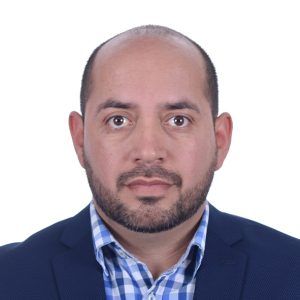
Edwin Marcelo Garcia Torres Ph.D. from Universidad Pontificia Bolivariana (Medellín – Colombia), Master in Transmission and Distribution Engineering from Universidad Pontificia Bolivariana, Master in Energy Management from Universidad Técnica de Cotopaxi (Latacunga – Ecuador), Electrical Engineer graduated from Universidad Politécnica Salesiana (Quito – Ecuador), has been associated researcher at Instituto Nacional de Eficiencia Energética y Energía Renovables del Ecuador (INER), member of the Research Group on Smart Grids (GIREI) – UPS, has generated several publications indexed in scopus, has been a reviewer of scientific articles in different indexed journals, principal investigator in several projects within the GIREI group, associate researcher in the T&I Group (transmission and distribution) of the Universidad Pontificia Bolivariana in Micro-grids, is Professor and Researcher at Universidad Politécnica Salesiana, current area of interest is the solution of problems associated with energy management and demand response in smart micro-grids.
KEYNOTE SPEECHES
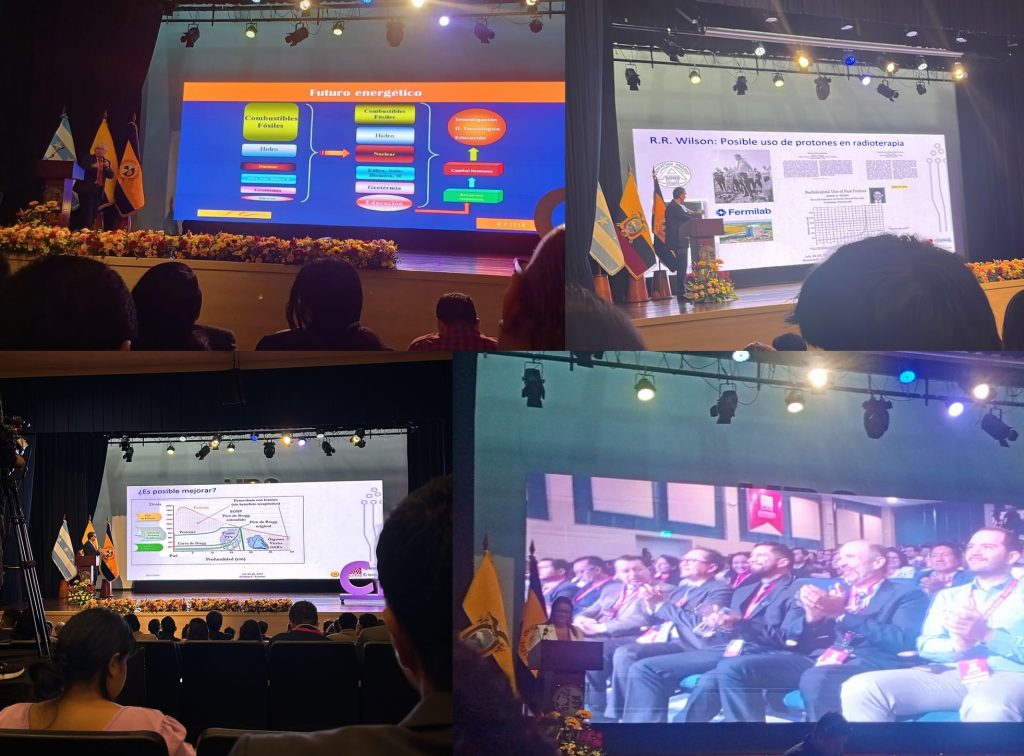
Prof. Gonzalo García-Fernández – Polytechnic University of Madrid (UPM), Spain.
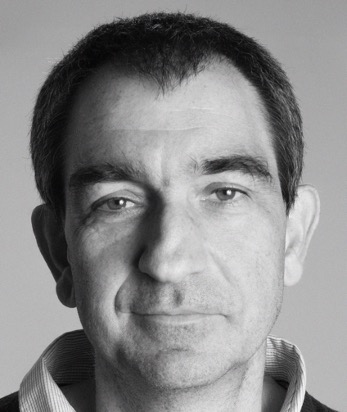
Gonzalo is professor and researcher in nuclear technology and radiation protection at Technical University of Madrid (UPM), since 2017, specialized in the application of radiation to medicine and in proton therapy centers. Previously, from 1994, he developed his professional career as project manager in international projects in fields as healthcare facilities, roads, energy efficiency, radiation protection and shielding, industrial facilities, research and education. His education includes Ph.D Industrial Engineering (UPM) in Sustainable, Nuclear and Renewable Energy, Master in Nuclear Science and Technology (UPM), Mechanical and Industrial Engineer (UPM), and Business Management (PADE-IESE). He is a Spanish Chartered Professional Engineer (PE) with professional accreditations in radiation protection by Nuclear Council of Spain (CSN), project management (PMP by PMI), and energy sustainability (CEM by AEE). He has more than sixty publications in journals, proceedings and books, a hundred of presentations at international conferences and congresses, and he has mentored more than thirty Final Master Thesis and Final Degree Works.
Prof. Fausto Pedro García Márquez – Castilla-La Mancha University (UCLM), Spain
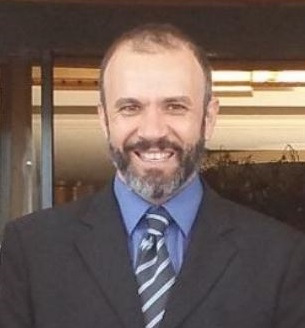
Fausto works at UCLM as a Full Professor (Accredited as Full Professor from 2013), Spain, an Honorary Senior Research Fellow at Birmingham University, UK, a Lecturer at the Postgraduate European Institute, a Research Fellow at INTI International University & Colleges, Malaysia, and has been Senior Manager in Accenture (2013-2014). He obtained his European PhD with maximum distinction. He has been distinguished with the prices: Runner Prize (2023), Nominate Prize (2022), Gran Maestre (2022), Grand Prize (2021), Runner Prize (2020) and Advancement Prize (2018), Runner (2015), Advancement (2013) and Silver (2012) by the International Society of Management Science and Engineering Management (ICMSEM), First International Business Ideas Competition 2017 Award (2017), etc. He has published more than 280 journal papers (187 JCR: 88-Q1; 52-Q2; 38-Q3; 9-Q4).
Some recognized as: “Progress in Photovoltaics: Research and Applications” (Q1, IF. 8.49, one of the most downloaded in first 12 months of publications, 2023), “Applied Energy” (Q1, IF 9.746, as “Best Paper 2020”), “Renewable Energy” (Q1, IF 8.001, as “Best Paper 2014”); “ICMSEM” (as “excellent”), “Int. J. of Automation and Computing” and “IMechE Part F: J. of Rail and Rapid Transit” (most downloaded), etc. He is the author and editor of over 54 books (Elsevier, Springer, Pearson, Mc-GrawHill, Intech, IGI, Marcombo, AlfaOmega,…), >115 international chapters, and 6 patents. He is the Editor of 5 Int. Journals, Committee Member more than 70 Int. Conferences. He has been the Principal Investigator in 4 European Projects, 8 National Projects, and more than 150 projects for Universities, Companies, etc. His main interests are: Artificial Intelligence, Maintenance, Management, Renewable Energy, Transport, Advanced Analytics, and Data Science.
He is being:
- Expert in the European Union in AI4People(EISMD), and ESF.
- Director of www.ingeniumgroup.eu.
- Senior Member at IEEE, 2021-…
- Honoured Honourary Member of the Research Council of Indian Institute of Finance, 2021-…
- Committee Chair of The International Society for Management Science and Engineering Management (ISMSEM), 2020-…
- Research Fellow at INTI International University&Colleges, Malaysia, from 2023-…
- Visiting Professor at Sheyang University (China)from 2024-2027
Prof. Héctor René Vega-Carrillo – Universidad Autónoma de Zacatecas (UAZ), Mexico
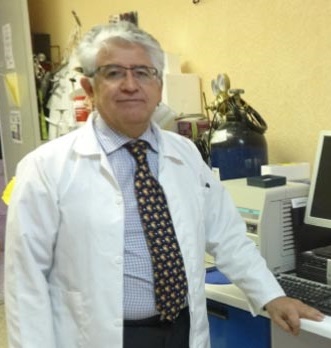
Hector Rene Vega-Carrillo, has a large experience in research and teaching in Nuclear Sciences. His research interests include experimental and computational spectrometry, dosimetry of neutrons and gamma-rays, and design of subcritical nuclear reactors using uranium and thorium as nuclear fuel. He has published more than 200 papers in scientific journals and more than 40 books. He participated in several scientific meetings presenting more than 450 papers.
From 2005 up to 2020 Dr. Vega-Carrillo was Chairperson of the International Scientific Committen Chairperson of the International Symposium on Solid State Dosimetry (ISSSD). In extenso papers published in the ISSSD electronic proccedings are uploaded at the International Nuclear Information System of the International Atomic Energy Agency (INIS-IAEA).
In addition, a set of presented papers is published in Elsevier´s journal Applied Radiation and Isotopes. Dr. Vega-Carrillo has been invited as a professor to universities in Mexico, Ecuador, Spain, Colombia and Peru. From 1981 to 2023 he was faculty member at the Universidad Autonoma de Zacatecas, and liason officer by Mexico at the Nuclear Energy Agency. He was the co-founder of the Irradiation and Dosimetry Mexican Society (SMID, AC).
Professor Vega-Carrillo is a member of the editorial board as managing editor of Applied Radiation and Isotopes and a member of the editorial board of Radiation Physics and Engineering.
Prof. Natalia Gaviria-Gómez – Universidad de Antoquia, Colombia
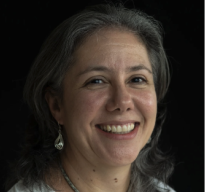
Natalia Gaviria Gómez is an Associate Professor in the Department of Electronic Engineering at the University of Antioquia. She earned her PhD in Electrical and Computer Engineering from the University of Arizona in 2006 and an MSc in Electrical Engineering from the University of Los Andes in 2000. Natalia has held significant roles such as Scientific Director at the University Research Center and Head of Research and Graduate Studies at the Faculty of Engineering at the University of Antioquia.
She has supervised theses for 5 doctoral students and 15 master’s students, making substantial contributions to their academic and technical advancement. Natalia has authored numerous publications in prestigious journals and conferences, covering topics from energy efficiency to cybersecurity in critical infrastructures. Her research areas include energy sustainability, information and communications technologies, technology in education, and cyber risk management. Additionally, Natalia is an active volunteer at IEEE, where she currently chairs the communications chapter in Colombia, highlighting her commitment to the promotion and development of engineering at both national and international levels.
Prof. César Diaz-Londono – Politecnico di Milano, Italia
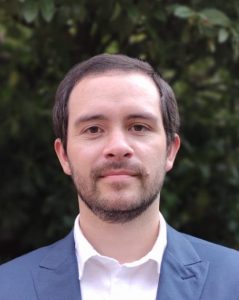
Cesar Diaz-Londono is currently serving as an Assistant Professor at Politecnico di Milano in the Department of Electronics, Information, and Bioengineering. He earned his B.Sc. and M.Sc. degrees in Electronics Engineering from Pontificia Universidad Javeriana in 2014 and 2016, respectively. Cesar holds a double doctoral degree, having completed his Ph.D. in Engineering at Javeriana and the Ph.D. in Electrical, Electronics, and Communications Engineering from Politecnico di Torino in 2020. He graduated with Cum Laude honours for his master’s degree, and his doctoral thesis received the highest honours. Following his academic achievements, Cesar served as a postdoctoral researcher at Politecnico di Torino in 2021. Additionally, he undertook two visiting research positions, one at Delft University of Technology in early 2024 and another at Chalmers University of Technology later that year.
His research expertise is centred around the integration of electric vehicles into the electrical grid. He actively engages in collaborative research projects with industry partners specialized in electric vehicle chargers. Additionally, he contributes to the development of real-time controllers for electrical grid studies. His diverse experiences have honed his skills in research, teaching, and managing both independent and team-based projects. He has also established valuable collaborative relationships with peers across various universities. Cesar is committed to advancing his career and making significant contributions to the fields of energy management and electric vehicle integration. The results of his research have been disseminated in over 35 scientific publications, including conference papers and journal articles.
Prof. Roberto Carlos Hincapié – Universidad Pontificia Bolivariana, Colombia
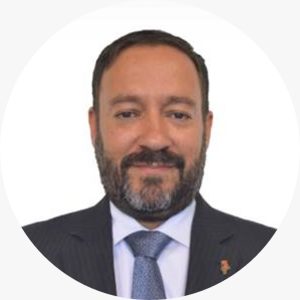
Roberto Carlos Hincapié is an electronic engineer with a master’s and Ph.D. in engineering from the Pontifical Bolivarian University. At the same university, he has served as professor, researcher, and faculty director and is currently dean of the School of Engineering. He is a researcher recognized as senior by the Ministry of Science, Technology, and Innovation. He is also a member of the Board of Directors of the Colombian Association of Engineering Faculties, where he served as President from 2020 to 2022.
His work has focused on optimization problems related to the design of communication systems. Building on this experience, he has applied his knowledge to data processing, now concentrating on data science problems with an emphasis on artificial intelligence and reinforcement learning for solving engineering challenges. This research spans basic and applied levels, with projections toward practical problem-solving.